
Understanding RAC to Confirmed Ticket Conversion Time on Indian Railways
Travelling with a RAC (Reservation Against Cancellation) ticket on Indian Railways can be a mix of hope and uncertainty. While it guarantees you a seat, the ultimate goal for most passengers is a fully confirmed berth, offering more comfort and privacy. The timing of this conversion is crucial for planning your journey and managing expectations. This article will demystify the process, explaining when and how RAC tickets typically convert to confirmed status.
What is an RAC Ticket?
Before diving into conversion times, let's briefly understand what RAC means. A RAC ticket allows a passenger to travel, but they are allotted a half-berth, meaning two RAC passengers share one side-lower berth. It's a stepping stone between a waitlisted (WL) ticket and a fully confirmed (CNF) one. While you are guaranteed to board the train, the comfort level is significantly reduced compared to a full berth.
When Does RAC Convert to Confirmed?
The most critical time for RAC to confirmed conversion is during and after the final chart preparation. This is when Indian Railways finalizes the passenger list and seat allocations.
The Final Chart Preparation
Indian Railways prepares two reservation charts for each train:
- First Chart: This chart is typically prepared 4 hours before the scheduled departure time of the train from its originating station. For trains starting early morning (e.g., before noon), this might be prepared the previous night.
- Second/Final Chart: This chart is prepared about 30 minutes to 1 hour before the train's scheduled departure from its originating station. This chart incorporates any last-minute cancellations.
RAC conversion primarily happens after the first chart preparation. All confirmed ticket holders who cancel their reservations before the first chart is prepared contribute to the pool of available berths. These vacant berths are then used to upgrade RAC tickets to confirmed status, followed by waitlisted tickets.
Factors Influencing Conversion
Several factors determine the likelihood and timing of an RAC ticket converting to confirmed:
- Cancellations: This is the most significant factor. The more confirmed tickets that are cancelled, the higher the chances of RAC conversion. Cancellations can happen for various reasons, from unforeseen circumstances to passengers opting for alternative travel modes.
- Quota Berths: Certain quotas (e.g., Tatkal, Ladies, Defence, Parliament) have their own booking and cancellation rules. Any unutilized berths from these quotas after their specific release times can also become available for RAC conversions.
- Train Route and Popularity: For popular routes or festive seasons (like Diwali or Chhath Puja), cancellations might be fewer, or the demand for waitlisted tickets might be so high that RAC conversions are less common. Conversely, less popular routes or off-peak seasons might see more frequent conversions.
- Time of Booking: Booking an RAC ticket well in advance doesn't necessarily increase your chances of early conversion. The conversion process is mostly dependent on cancellations occurring closer to departure.
What to Expect on Departure Day
If you have an RAC ticket, here's what typically happens on the day of your journey:
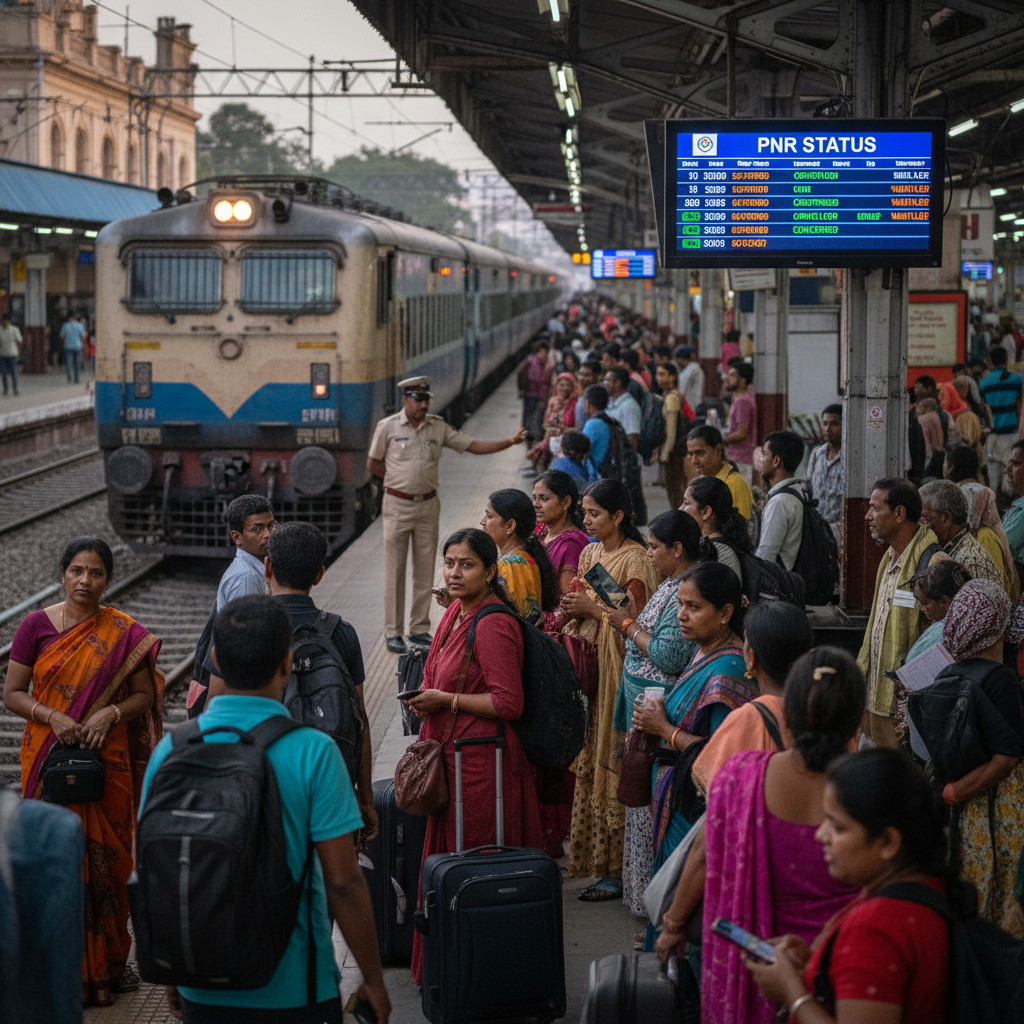
- Check PNR Status Online: A few hours before departure, check your PNR status on the IRCTC website or other railway information portals. This will often show if your RAC ticket has been upgraded to confirmed status and will display your new berth number.
- After First Chart Preparation: This is the earliest you might see a conversion. If berths become available, your status will change, and a berth number will be assigned.
- Onboard the Train (After Second Chart): If your ticket remains RAC even after the online status updates from the first chart, there's still a small chance of conversion. TTEs (Travelling Ticket Examiners) are given the final reservation chart. They will allocate any remaining vacant berths (due to no-shows or last-minute cancellations) to RAC passengers first, then to waitlisted passengers if any berths are left. The TTE's decision is final regarding on-board allocations.
Important Note: Even if your RAC ticket doesn't convert to a full berth, you are still guaranteed to travel in a shared side-lower berth. The TTE will assign you a specific half-berth. Passengers with confirmed RAC tickets are usually given priority over waitlisted passengers for any available full berths.
How to Check Your PNR Status
Checking your PNR status is simple and can be done through multiple channels:
- IRCTC Website/App: Log in to your IRCTC account and navigate to the "PNR Status" section.
- Railway Information Websites: Many third-party websites (e.g., RailYatri, MakeMyTrip) offer PNR status check services.
- SMS: You can send an SMS to a designated railway number with your PNR. (Check the latest SMS format on the official IRCTC website).
- Railway Enquiry Counters: At the station, you can inquire about your PNR status.
Always check your status close to the departure time, especially after the first chart preparation, for the most up-to-date information.
Table: RAC Conversion Timeline and Likelihood
| Event | Typical Timeframe | Likelihood of Conversion |
|---|---|---|
| First Chart Preparation | 4 hours before departure from originating station | Highest likelihood; most conversions happen here. |
| Second/Final Chart Preparation | 30 min - 1 hour before departure | Moderate likelihood; accounts for very last-minute cancellations. |
| Onboard Allocation by TTE | After train departure | Low likelihood for a full berth, but confirmed allocation for sharing |
Common Mistakes Travelers Make with RAC Tickets
- Assuming RAC guarantees a full berth: RAC guarantees a shared seat, not necessarily a full berth. While conversions are common, they are not guaranteed.
- Not checking PNR status: Failing to check your PNR status means you might miss out on a confirmed berth number and end up searching for it onboard.
- Boarding without a berth assignment: Always confirm your allocated berth (even if shared) with the TTE. Never occupy a seat without proper assignment.
- Giving up too early: Even if your ticket is RAC just an hour before departure, there's a slim chance of conversion onboard due to no-shows. Always board the train.
- Not being prepared to share: If your RAC ticket doesn't convert, be prepared to share the side-lower berth with another passenger. Cooperation helps ensure a smoother journey for everyone.
Conclusion
RAC to confirmed ticket conversion is a dynamic process heavily reliant on last-minute cancellations and the availability of berths after final chart preparation. While there's no fixed "conversion time," understanding the chart preparation schedule and regularly checking your PNR status will provide the most accurate updates. Always be prepared to travel with a shared berth, and you'll find your journey on Indian Railways more predictable and less stressful.