
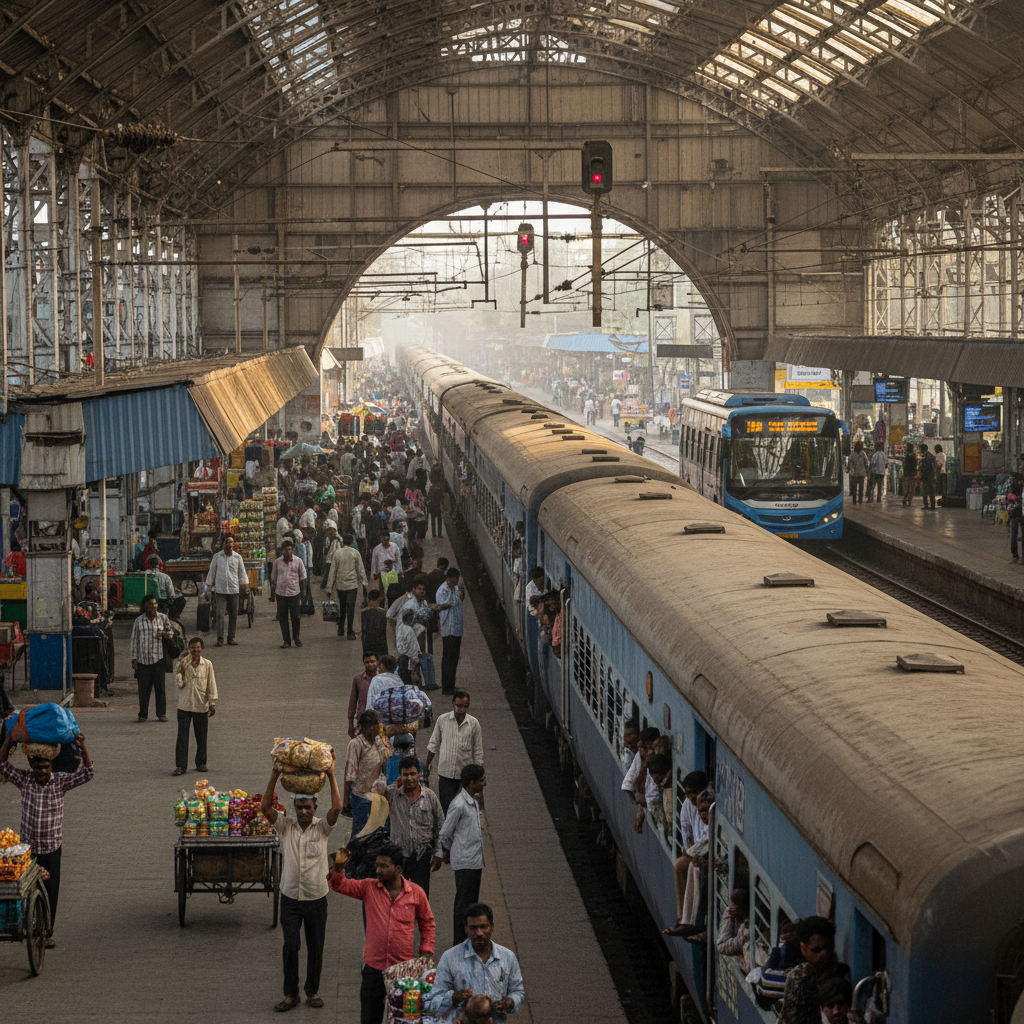
Combining Train and Bus for Seamless Travel in India
Navigating India's vast and intricate transportation network can sometimes be a challenge, especially when planning journeys to destinations not directly connected by rail or when train tickets on popular routes are sold out. This is where the strategic combination of train and bus travel comes into its own. By thoughtfully integrating these two modes, travelers can unlock greater flexibility, reach remote locations, and ensure their journey plans remain on track, even during peak seasons.
This article will guide you through the process of masterfully combining train and bus travel in India, providing practical tips, booking strategies, and common pitfalls to avoid. Whether you're a budget traveler, a last-minute planner, or someone charting a complex multi-leg trip, understanding this hybrid approach is key to hassle-free travel across the subcontinent.
Why Combine Train and Bus Travel?
The decision to blend train and bus travel isn't just about necessity; it often presents a superior travel solution. India's railway network is extensive but doesn't cover every town or village, while its bus network, both private and state-run, fills these crucial gaps. Here are the primary reasons why this combination is a smart move:
- Overcoming Waitlisted Train Tickets: During festivals, holidays, or on busy routes, train tickets, especially in AC classes, can quickly become waitlisted with low confirmation chances. Instead of canceling your trip, you can book a confirmed train ticket for a significant portion of your journey and then complete the remainder by bus.
- Reaching Destinations with Limited Rail Connectivity: Many popular tourist spots, pilgrimage sites, and regional towns are not directly accessible by train. In such cases, the standard approach is to take a train to the nearest major railway station and then switch to a bus for the final leg.
- Flexibility and Last-Minute Planning: Buses often offer more frequent services and greater availability, making them ideal for spontaneous travel or when train schedules don't align with your plans. You can often book bus tickets closer to your departure time than train tickets.
- Cost-Effectiveness: For certain routes, combining a train journey with a shorter bus leg can sometimes prove more economical than relying solely on private taxis or flights, especially for budget-conscious travelers.
- Optimizing Travel Time: Sometimes, a train journey to a specific junction followed by a faster bus service can be quicker than taking a long, circuitous train route to your exact destination.
Planning Your Combined Journey
Effective planning is crucial for a smooth train and bus journey. Here's a step-by-step guide:
1. Identify Your Target Destination and Nearest Major Railway Station
Start by pinpointing your final destination. Then, use resources like Google Maps or railway maps to find the major railway station closest to it. For example, if you're traveling to McLeod Ganj, the nearest major railhead is Pathankot. For destinations in Uttarakhand like Rishikesh or Haridwar, your starting point will likely be Haridwar Junction or Rishikesh railway station.
2. Research Train Connectivity and Availability
Once you have your originating and connecting railway stations, research train routes using official sources like the IRCTC website or NTES (National Train Enquiry System). Check for direct trains to your connecting station. If direct trains are waitlisted or unavailable, explore options to a nearby major junction from where you can easily find onward bus connections.
Key considerations for train booking:
- PNR Status: If you opt for a waitlisted ticket, understand its current status and historical confirmation trends.
- Tatkal Quota: For last-minute plans, consider Tatkal tickets, which open one day before the journey, though they come at a premium and sell out quickly.
- Station Codes: Pay attention to three-letter station codes (e.g., NDLS for New Delhi, CSMT for Chhatrapati Shivaji Maharaj Terminus, BSB for Varanasi).
3. Research Bus Connectivity and Operators
This is the critical second part of your journey. Research bus services from your connecting railway station to your final destination. Look for:
- Bus Stands/Depots: Locate the main bus stand near your railway station. Often, these are within walking distance or a short rickshaw/auto ride. For example, Bengaluru's Majestic Bus Stand (Kempegowda Bus Station) is a major hub.
- Bus Operators: A mix of state-run operators (e.g., UPSRTC, MSRTC, KSRTC) and private companies operate on most routes. State buses are generally more budget-friendly and reliable, while private operators might offer more comfortable options like Volvo or Sleeper buses.
- Frequency and Timings: Check the frequency of buses on your chosen route. Some routes have buses every 15-30 minutes, while others might have only a few services per day. Align bus timings with your train's arrival.
- Booking Options: Bus tickets can often be booked online through platforms like RedBus, MakeMyTrip, or directly on state transport websites. For shorter, intra-state routes, you might buy tickets directly at the bus stand.
4. Allow Sufficient Buffer Time
One of the most common mistakes is not leaving enough buffer time between your train arrival and bus departure. Trains in India can often run late. Aim for at least 2-3 hours between your scheduled train arrival and your bus departure, especially if your bus departs from a different location than the railway station itself.
5. Book Tickets Strategically
- Train First: Always book your train ticket first, as these tend to sell out faster and much in advance.
- Bus Second: Once your train journey is confirmed (or you're confident about its confirmation), book your bus ticket. If you're confident in bus frequency, you might even wait to buy the bus ticket in person upon arrival.
Example: Delhi to McLeod Ganj
Let's consider a common route where combined travel is essential:
- Destination: McLeod Ganj, Himachal Pradesh
- Nearest Major Railway Station: Pathankot (specifically Pathankot Cantt or Pathankot Junction)
- Train from Delhi to Pathankot: You would book a train from Delhi (NDLS, DLI, DEE) to Pathankot (PTKC, PTK). Many trains run daily, such as the Jammu Tawi Express or Uttar Sampark Kranti Express.
- Bus from Pathankot to McLeod Ganj: Upon arrival at Pathankot, you can take a local auto-rickshaw or taxi to the Pathankot bus stand. From there, frequent buses (both state and private) are available for the scenic 3-4 hour journey to McLeod Ganj (via Dharamshala).
This two-step process allows you to efficiently cover the distance, relying on the extensive rail network for the long haul and the flexible bus network for the final mountain leg.
Tips for a Smooth Combined Journey
- Pack Smart: If you're changing modes, lighter luggage is always better. Consider backpacks over large suitcases.
- Stay Informed: Keep an eye on your train's running status using NTES or other apps. For buses, reconfirm timings closer to your travel date.
- Local Transport: Know how you'll get from the railway station to the bus stand. Is it walkable? Do you need an auto-rickshaw or taxi? Negotiate fares in advance if possible.
- Carry Essentials: Always have water, snacks, and any necessary medications with you. Indian bus journeys, especially on state transport, might not have frequent stops.
- Safety: For overnight bus journeys, choose reputable operators. Keep your belongings secure, especially during stops.
- Offline Maps: Download offline maps of the areas you'll be traveling through, especially for bus routes to remote destinations.
Common Mistakes to Avoid
- Insufficient Buffer Time: As mentioned, this is the biggest pitfall. Always overestimate the time needed for transfer.
- Ignoring Bus Stand Location: Assuming the bus stand is right next to the railway station can lead to rushed transfers. Verify its exact location and distance.
- Not Checking Bus Frequencies: Some routes have very limited bus services. Confirm frequency before relying on a bus connection.
- Booking Unconfirmed Train Tickets (without alternatives): If your train ticket is highly waitlisted, have a backup plan, which could be another train+bus combo or a direct bus for the entire journey.
- Underestimating Road Conditions: Bus travel on certain routes, especially in hilly regions, can be slow due to winding roads or traffic congestion. Factor this into your overall travel time.
What to Expect at the Bus Stand
Indian bus stands, particularly major ones, can be bustling and sometimes chaotic. Here's what to prepare for:
- Announcements: Listen for platform numbers for your bus, often called out in local languages and sometimes English.
- Ticket Counters: For state buses, you'll generally find designated ticket counters. For private buses, their offices might be nearby or you might report directly to the bus with an online ticket.
- Vendors: Expect numerous food and drink vendors. Be cautious about hygiene, but they can be lifesavers for a quick bite.
- Help Desks: Larger bus stands might have inquiry desks; don't hesitate to ask for directions or platform information.
Combining train and bus travel is a quintessential Indian travel experience that offers unparalleled flexibility and enables access to the country's diverse landscapes and cultures. By planning carefully and being prepared, you can enjoy an efficient and fulfilling journey, reaching your destination even when direct routes seem elusive.