
Train Delays · 1 min read · 3/8/2026

Why Are Indian Trains Always Late? Understanding Delays in Indian Railways

TL;DRIndian trains often run late due to a complex interplay of factors including infrastructure constraints, weather, operational challenges, and high traffic density. While not every train is delayed, the sheer scale of the network means punctuality can be a significant challenge, impacting millions of daily travelers.
Why Are Indian Trains Always Late? Understanding Delays in Indian Railways

Why Are Indian Trains Always Late? Understanding Delays in Indian Railways

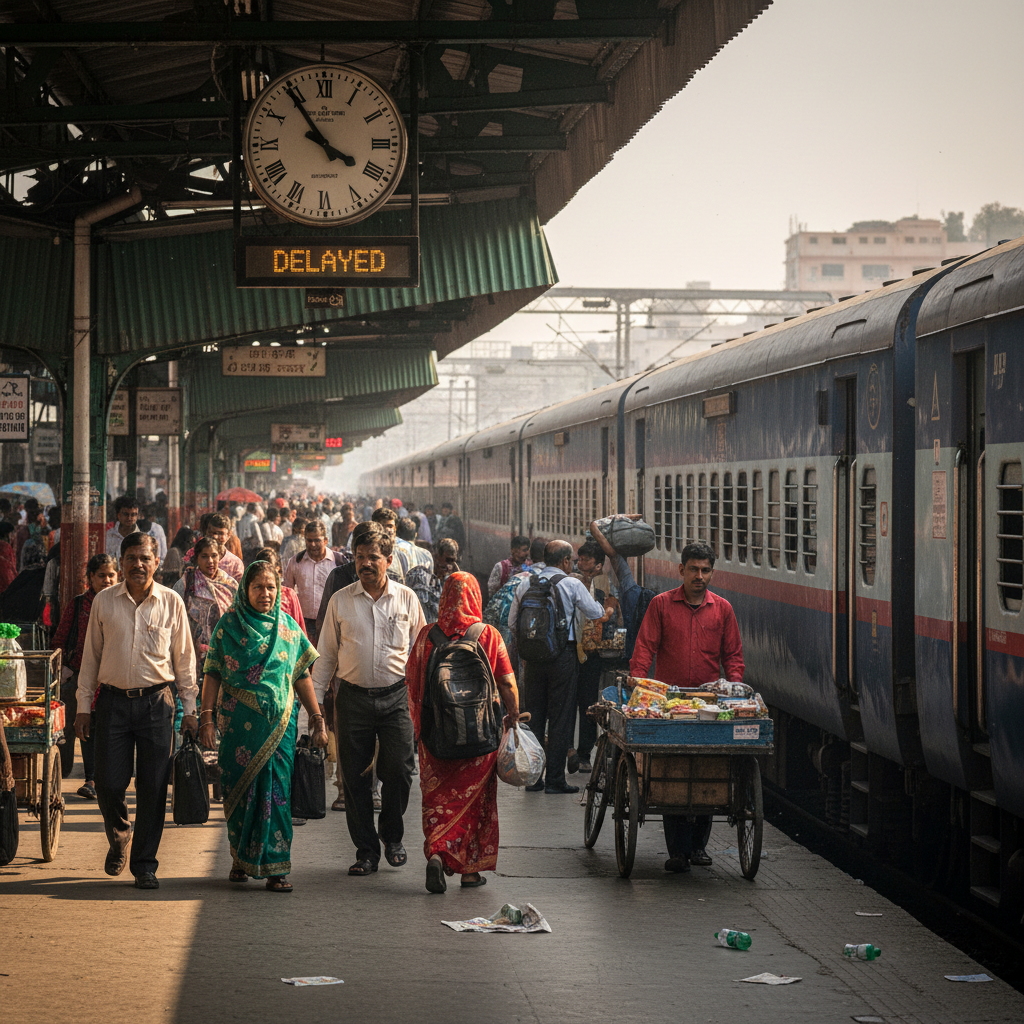
Many travelers in India, whether seasoned commuters or first-time tourists, have experienced the frustration of a delayed train. It’s a common perception that Indian Railways trains are “always late.” While this isn't always true for every single train, significant delays are a frequent occurrence across the vast network. Understanding the reasons behind these delays can help passengers set realistic expectations and plan their journeys more effectively.

Indian Railways operates one of the largest and busiest rail networks in the world, carrying millions of passengers and tons of freight daily. This immense scale, combined with various operational, environmental, and infrastructure challenges, contributes to the occasional and sometimes extensive delays that travelers encounter.

Understanding Train Punctuality in India

Indian Railways aims for high punctuality, but the ground reality is often challenging. Unlike some highly optimized global networks, the Indian system faces unique pressures. The sheer volume of traffic – passenger and freight – sharing the same tracks is a primary factor. Imagine a multi-lane highway constantly at peak capacity; even a small incident can cause a ripple effect.

The term 'punctuality' itself can be fluid. A train might be considered

Frequently asked questions

What is the primary reason for train delays in India?

The primary reason for train delays is a combination of high traffic density on shared tracks for both passenger and freight trains, infrastructure limitations, and weather-related disruptions like fog, heavy rain, or extreme heat. Operational issues like signal failures or track maintenance also contribute significantly.

Are all Indian trains always late?

No, not all Indian trains are always late. Many trains, especially those on less congested routes or with dedicated tracks, maintain good punctuality. However, the high volume of traffic and various unpredictable factors mean that delays are a common and widespread issue across the network.

How can I check if my train is running late?

You can check the live running status of your train through various platforms like the official NTES (National Train Enquiry System) website or app, the IRCTC website, or popular third-party apps and websites. These services provide real-time updates on your train's location and expected arrival/departure times.

Does severe weather greatly impact train schedules?

Yes, severe weather significantly impacts train schedules. Dense fog, especially in northern India during winter, can cause extensive delays and cancellations due to reduced visibility. Heavy monsoon rains can lead to track flooding, landslides, and infrastructure damage, while extreme summer heat can cause track expansion, necessitating speed restrictions.

What is 'track maintenance' and how does it cause delays?

Track maintenance involves inspecting, repairing, and upgrading railway tracks and associated infrastructure to ensure safety and smooth operation. This work often requires temporary speed restrictions or diverting trains to other tracks, which can create bottlenecks and lead to delays, especially on busy routes.

Are freight trains responsible for passenger train delays?

Yes, freight trains can contribute to passenger train delays, particularly on routes where both types of trains share the same tracks. Freight trains are often given lower priority than express passenger trains, but their presence and slower speeds can tie up track sections, causing passenger trains to wait or be diverted, leading to cascading delays.

What initiatives is Indian Railways taking to improve punctuality?

Indian Railways is undertaking several initiatives to improve punctuality, including infrastructure upgrades like dedicated freight corridors to segregate traffic, electrification, doubling and tripling of tracks, modernizing signaling systems, and implementing more advanced train management systems. These efforts aim to increase capacity and reduce bottlenecks.

Related reading